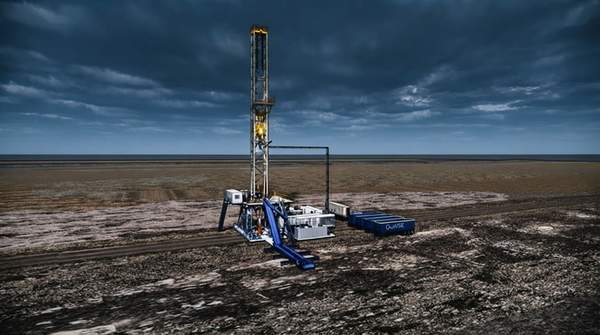
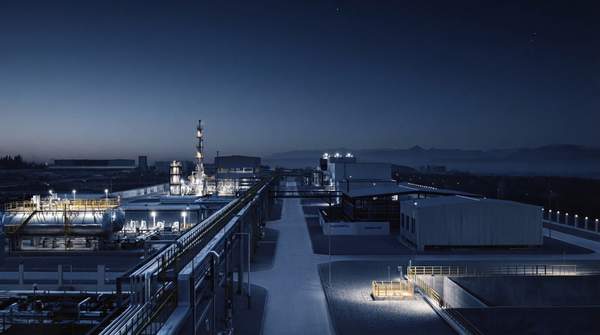
Enhanced Geothermal Systems (EGS) generate electricity by manufacturing the underground reservoir that conventional geothermal plants find ready-made in nature: fluid is injected deep into hot, impermeable rock to fracture it, circulated until it absorbs the rock's heat, and pumped back to the surface to drive a power plant. The concept could carry geothermal power far beyond the rare hot-spring regions where it works today, but three obstacles stand between the technology and widespread deployment—high upfront capital costs, the difficulty of building wells in very hot rock, and the risk of earthquakes triggered by the fracturing itself.
How Enhanced Geothermal Systems Engineer Their Own Reservoirs—and Why Scaling Them Is Still Hard
Enhanced Geothermal Systems (EGS) create electricity by engineering underground reservoirs in hot, impermeable rock, overcoming limitations of conventional geothermal. However, scaling EGS faces significant hurdles like high upfront costs, difficult well construction, and the risk of induced seismicity.
SA
Samuel Adebayo
November 6, 2026 · 5 min read