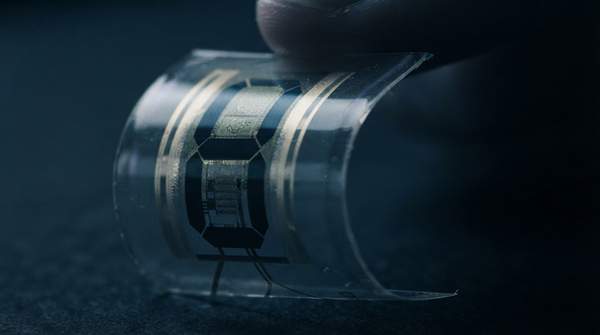
No single sensor technology wins environmental monitoring. The right choice depends on where you work, what precision your science demands, and how long your equipment must survive there. Across the three best-documented advanced sensor categories—optical fiber, high-frequency acoustic, and printed sensors—the evidence points to a clear pattern: optical fiber excels at high-precision distributed measurement in marine and high-temperature settings, high-frequency acoustic devices dominate underwater detection but consume substantial power, and printed sensors promise inexpensive large-scale deployment while still struggling with reliability, accuracy, and durability.
Introduction to Advanced Environmental Sensors
Field research is moving away from isolated point measurements toward continuous, distributed, real-time sensing of temperature, salinity, pressure, sound, and pollutants. A review of sensor monitoring technology in harsh engineering environments notes that fiber-optic devices are now widely used in marine, underground, and high-temperature scenarios, while a review of printed sensors highlights their growing role in air and water quality monitoring. Between them, acoustic wave sensors serve as what one maritime-industry explainer calls underwater "ears," converting sound waves into electrical signals for real-time detection in air, water, or solids. Each category carries a distinct performance-versus-practicality profile, which this article compares criterion by criterion for field deployment decisions.