Emerging wearable biosensors fall into two broad families, and the difference between them is the single most useful thing an innovator or consumer can understand. One family reads chemistry: it detects biomarkers in body fluids such as sweat, saliva and interstitial fluid. The other reads physics: it measures mechanical forces such as pressure and touch. Scientific reviews of the field describe both approaches as central to real-time, non-invasive health monitoring and personalized medicine, but they occupy very different points on the maturity curve, and both still face a familiar obstacle—power.
The Rise of Wearable Biosensors for Personalized Health
The core promise of this field is continuous, convenient data. A review of innovations in biosensor technologies for healthcare diagnostics notes that beyond diagnostics, biosensors are reshaping therapeutic interventions, drug development and personalized medicine "by facilitating real-time monitoring tailored to individual patient profiles, genetic predispositions, and therapeutic responses." That framing matters: the goal is not a single reading but an ongoing, individualized stream of health information.
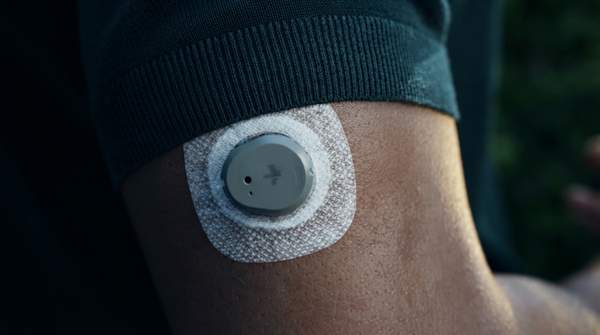
What makes this shift possible now, according to a review of advances in wearable biosensors for healthcare, is the maturation of flexible and stretchable electronics. These have enabled skin-based sensors that can monitor interstitial fluid or skin temperature, identify specific biomarkers that may suggest potential health issues, and provide real-time data on pH and hydration levels. Their form-fitting design permits extended use, and their integration into familiar devices—fitness trackers and smartwatches—makes it easier for users to receive health information without clinical visits or blood draws.