
Astrobiology
6 articles
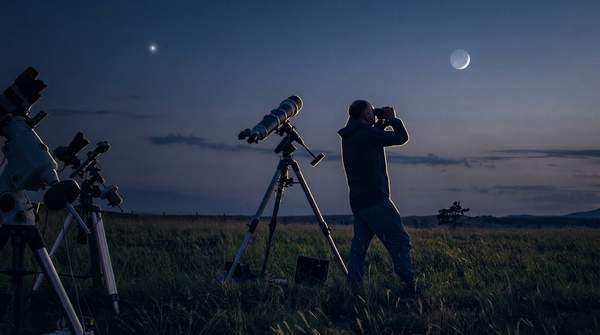
How Astronomers Search for Life on Exoplanets: A Guide to Biosignatures and Their Validation
Astronomers search for extraterrestrial life by identifying biosignatures in exoplanet atmospheres and on surfaces, but rigorous validation is crucial to distinguish true signs of life from abiotic processes. This involves analyzing the planetary context, host star properties, and atmospheric chemistry to rule out false positives.
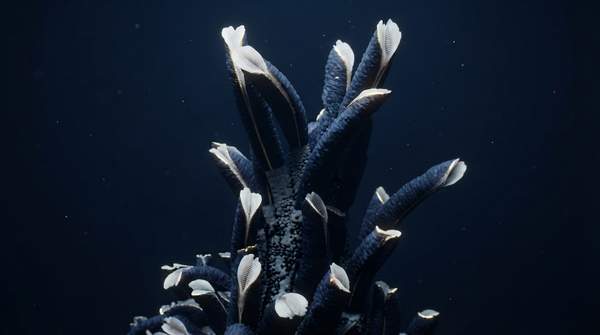
Deep-Sea Vent Extremophiles as Analogs for Life on Ocean Worlds
Deep-sea hydrothermal vents host unique ecosystems powered by chemosynthesis and extremophiles, offering crucial insights into life's potential on other worlds. These Earth-based analogs help astrobiologists understand habitability and guide the search for life on icy ocean worlds like Europa and Enceladus.

What Are Deep-Sea Hydrothermal Vents and Life's Origins?
In 1977, an expedition near the Galápagos Islands unveiled a world previously unimagined.

Europa ice shell radar study reveals surprising high reflectivity
Europa's icy surface scatters radio energy in an unusually strong and complex way, a phenomenon not seen on rocky worlds, which has revealed new secrets about its hidden ocean.

Perseverance Finds Potential Biosignatures in Mars' Jezero Crater
On July 18, 2024, NASA's Perseverance rover discovered a red rock in Mars' Jezero Crater scattered with distinct 'leopard spots' — a pattern that could indicate ancient microbial organisms.

New Books Explore Vanishing Tongues and Life on Mars
Funding for Martian astrobiology research surged by 30% last year, while grants for endangered language documentation declined by 15%, according to the Global Science Monitor and the Endangered Langua