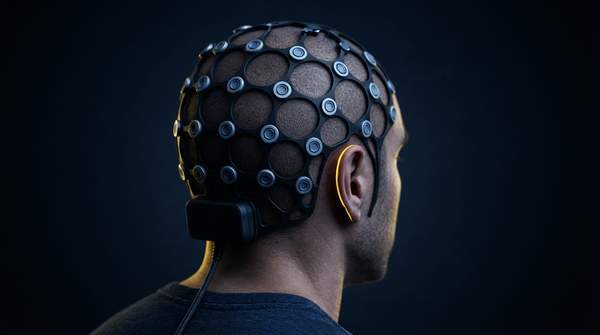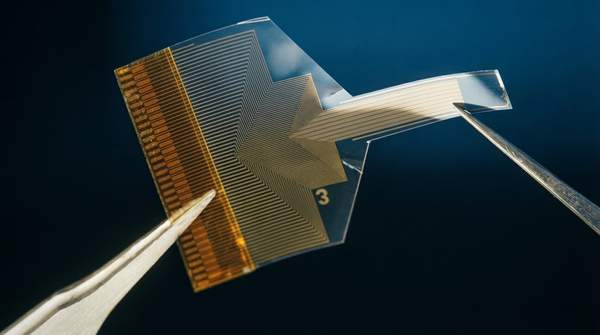
If you or a loved one lives with severe paralysis or locked-in syndrome, the central question about brain-computer interfaces (BCIs) is not whether they work, but how much surgical risk you would accept in exchange for richer, faster communication. The evidence points to a consistent trade-off: the closer an electrode sits to the neurons that encode speech and intent, the more detailed the signal it captures—and the more capable the system becomes at restoring complex communication. Here is how the three main BCI families compare, and what each can realistically offer today.
Understanding Brain-Computer Interfaces for Communication
BCIs sit on a spectrum, and as Paradromics explains in its overview of locked-in syndrome treatment, "the main distinction being how invasive a device is and how much neural detail it can capture." Conditions such as ALS, stroke, and other neurologic injuries can damage the neural pathways connecting the brain to the rest of the body, leaving a person aware but unable to move or speak—locked-in syndrome in its most severe form. A BCI bypasses those damaged pathways by reading brain signals directly and translating them into output, such as selected letters or decoded speech.
Clinical work on communication BCIs goes back decades. Researchers at the National Center for Adaptive Neurotechnologies describe a "Thought-Translation Device" that allowed verbal communication through voluntary self-regulation of slow cortical potentials, letting a user move a cursor toward a target containing a selectable letter set. All modern communication BCIs descend from this same idea: detect a controlled brain signal, classify it, and turn it into language.