
Brain Computer Interface
5 articles
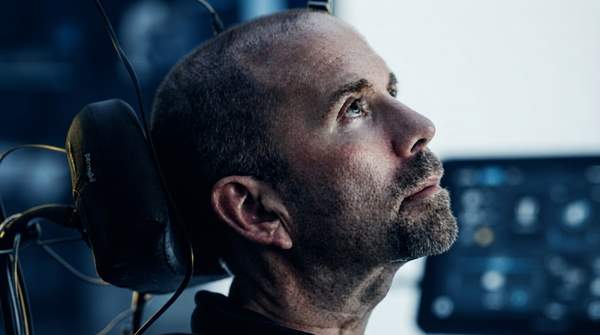
Non-Invasive, Semi-Invasive, or Invasive: How Brain-Computer Interface Types Trade Surgical Risk for Communication
Brain-computer interfaces (BCIs) for communication involve a trade-off between surgical invasiveness and signal fidelity. The article compares non-invasive, semi-invasive, and invasive BCI types, detailing how each balances risk against communication performance.
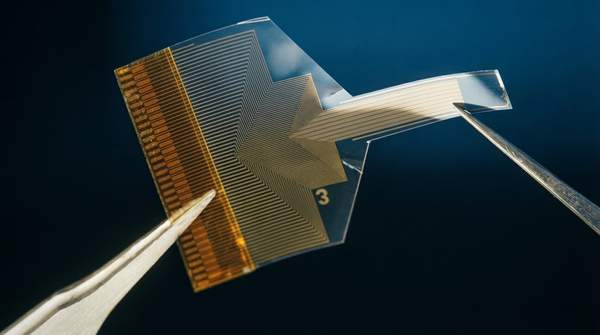
How a Memory Prosthesis Works: Inside Closed-Loop BCIs for Cognitive Augmentation
Closed-loop brain-computer interfaces (BCIs) for cognitive augmentation read neural activity and write targeted electrical stimulation to enhance functions like memory. The USC memory prosthesis serves as a key example, illustrating the stages from neural recording and decoding to stimulation, while highlighting technical and ethical challenges.

How a Speech Brain-Computer Interface Turns Attempted Speech Into Words
Speech brain-computer interfaces (BCIs) restore communication for individuals with severe paralysis by recording neural signals, decoding them into intended words, and converting that intent into text or synthesized speech. This three-stage process aims to empower users to speak on their own terms.

Brain-Computer Interface Trials Are Rapidly Expanding
The number of people with brain-computer interface (BCI) trial electrodes has more than doubled since 2024, now estimated at 150 individuals, according to MIT Technology Review .

Brain-Controlled Hearing System Human Studies Show Voice Isolation Success
In a quiet lab, four epilepsy patients with electrodes already implanted in their brains became the first humans to directly control a hearing system with their thoughts.