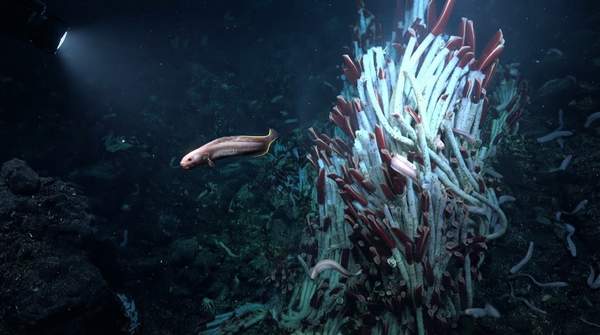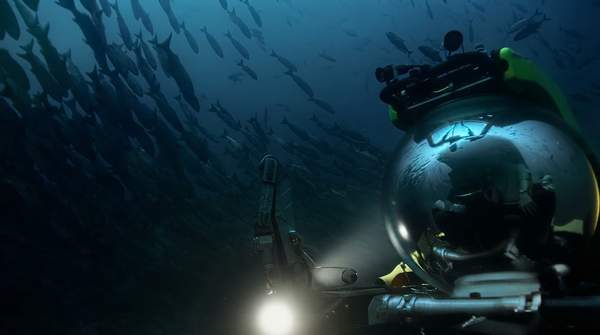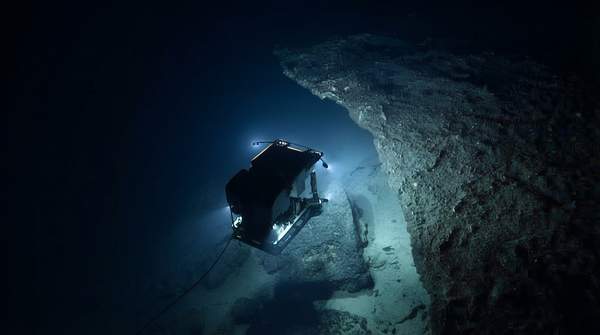
Choosing a deep-sea robotic platform comes down to one central trade-off: real-time human control versus autonomous endurance. A remotely operated vehicle (ROV) is tethered to a ship and piloted live, making it the tool for close-up inspection and manipulation. An autonomous underwater vehicle (AUV) runs pre-programmed missions untethered, excelling at seafloor mapping and broad surveys. An underwater glider trades speed for extraordinary endurance, profiling the water column for weeks or months on buoyancy alone. Matching the vehicle class to the research objective—vent inspection, abyssal mapping, or long-term monitoring—determines whether the mission returns usable data.
Introduction: Navigating the Deep-Sea Robotic Landscape
Robotic systems have become integral to how ocean science gets done. As the Monterey Bay Aquarium Research Institute's perspective in Oceanography magazine describes, hybrid human-machine and fully autonomous systems now enable coordinated observations of the water column and seafloor in ways humans cannot match, including extended missions in extreme environments and long-term monitoring data from remote regions of the globe. For a researcher planning a cruise, the practical question is not whether to use robotics but which class of vehicle fits the scientific objective.
The three classes differ fundamentally in how they are controlled, how long they operate, and what data they collect. A recent Frontiers in Marine Science review of multi-robot systems in oceanography, authored by Jessica Garwood and colleagues, notes that the community has used "autonomous" loosely, spanning everything from tethered ROVs that permit deep ocean data collection and safer infrastructure maintenance to fully autonomous vehicles operating without humans in the loop. This article compares the three general classes—not specific commercial models—and focuses on scientific applications; specifications vary widely by model and mission configuration.