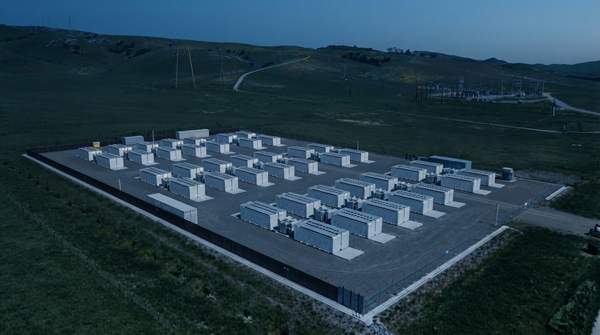
As the world increasingly turns to intermittent renewable energy sources like wind and solar, the need for reliable, large-scale energy storage has become critical. While lithium-ion batteries dominate the current market, a new generation of technologies is emerging to address different grid needs, from long-duration storage to cost-sensitive applications. Understanding the distinct trade-offs of these alternatives is essential for energy planners and investors navigating the future of the power grid.
The reality is that "no single battery chemistry optimally satisfies all requirements simultaneously," as one academic review notes, which necessitates a diverse portfolio of storage solutions. Key challenges for any grid-scale technology include high initial capital costs, capacity degradation over its lifespan, safety concerns, and the environmental impact of mining and disposal. The selection process involves balancing these factors to find the right fit for a specific purpose, whether it's replacing a gas-fired "peaker" plant or ensuring grid resilience for many hours at a time.
Key Decision Factors for Grid Battery Selection
Choosing the right battery for the grid goes far beyond a single performance metric. It requires a careful evaluation of several interconnected factors that determine a project's long-term viability and success. High upfront capital costs and ongoing maintenance can be prohibitive, while reliance on materials with volatile prices, such as cobalt and lithium, introduces significant financial risk.
A battery's operational lifespan is another critical consideration. All battery systems experience some capacity fade from repeated charging and discharging, which ultimately limits their useful life. Modern lithium-ion systems have seen significant improvements, now achieving 10,000 to 15,000 cycles, extending their lifetime to 15 to 20 years and improving the economics of capital amortization. Safety is also paramount; issues like thermal runaway and fire hazards, particularly associated with some lithium-ion chemistries, necessitate complex and costly safety systems. Finally, the environmental and ethical challenges of mining and disposal, along with the physical footprint required for deployment, are increasingly important factors in the decision-making process.
Strategic Comparison of Emerging Grid-Scale Battery Technologies
To address the diverse needs of the modern grid, several alternative battery technologies are gaining traction. Each offers a unique profile of advantages and challenges, making them suitable for different applications. The following table provides a strategic overview of three prominent emerging technologies—sodium-ion, vanadium flow, and zinc-based batteries—to clarify their distinct roles in the energy storage landscape.
| Technology Type | Primary Advantage | Key Challenge / Trade-off | Material Dependencies |
|---|---|---|---|
| Sodium-ion Batteries | Lower cost potential and avoids reliance on cobalt and nickel, which have volatile supply chains. Offers high energy capacity and a long lifespan. | Energy density is about 20 to 30 percent lower than lithium-ion, requiring a larger physical footprint. Some designs require high operating temperatures (over 300°C). | Sodium, which is more abundant and geographically widespread than lithium. |
| Vanadium Flow Batteries | Excellent scalability for large, long-duration applications. Features a very long cycle life with minimal degradation over time. | Lower round-trip efficiency (over 75%) compared to modern lithium-ion systems (over 88%). The physical size can be a limitation for deployment in dense areas. | Vanadium, a metal with its own distinct supply chain and pricing dynamics. |
| Zinc-Bromine Flow Batteries | Offers improved cycle life and presents fewer environmental concerns compared to some other flow battery chemistries. | Technology is at an earlier stage of commercial deployment, with several pilot projects demonstrating feasibility but not yet widespread adoption. | Zinc and bromine, which are relatively common materials. |
Sodium-ion: The Cost-Effective Contender
Sodium-ion batteries are emerging as a strong alternative to lithium-ion, primarily due to their favorable material sourcing. By using sodium, a far more abundant and less geographically concentrated element than lithium, these batteries can avoid the supply chain volatility associated with critical metals like cobalt and nickel. Manufacturers such as CATL are developing sodium-ion systems that offer significant cost advantages. While their energy density is currently lower than that of their lithium-ion counterparts, requiring a larger installation footprint, they are well-suited for stationary grid applications where space is less of a constraint and lower capital expenditure is a priority.
Vanadium Flow: Built for the Long Haul
For applications requiring very long-duration storage—a key goal of initiatives like the U.S. Department of Energy's Long-Duration Storage Shot—vanadium flow batteries present a compelling solution. Their key advantage lies in their modular design, where the energy capacity can be scaled independently of the power output simply by increasing the volume of the liquid electrolyte. This makes them ideal for large-scale projects designed to store energy for many hours. These systems boast an exceptionally long cycle life with minimal degradation, a crucial factor for grid infrastructure expected to last for decades. However, they typically have a lower round-trip efficiency than lithium-ion systems and their larger physical size can pose siting challenges.
Zinc-Based Systems: A Focus on Safety and Sustainability
Zinc-based batteries, including zinc-bromine flow batteries, are another promising category targeting grid-scale deployment. These technologies offer potential advantages in safety and environmental impact. Compared to some alternatives, zinc-based chemistries can reduce environmental concerns associated with material extraction and disposal. Several pilot deployments have demonstrated the technical feasibility of zinc-bromine flow batteries, which also offer an improved cycle life. These emerging systems are often targeted at niche applications, such as providing islanding resilience or serving cost-sensitive markets where their specific performance profile offers a better economic case than established technologies.
Informing Grid Storage Decisions
The evolution of the energy grid demands a sophisticated approach to energy storage that moves beyond a one-size-fits-all mindset. As this comparison shows, the choice of a battery technology is a strategic decision involving complex trade-offs between cost, performance, safety, and sustainability. Energy planners and investors should evaluate emerging battery technologies based on a holistic assessment of their primary advantages, key challenges, and material dependencies, rather than solely on initial cost or energy density. The optimal path forward involves selecting technologies whose characteristics align with the specific demands of the application, ensuring a resilient, cost-effective, and sustainable power grid for the future. The alignment of a chosen battery technology's characteristics with the specific duration, safety, and environmental requirements of a grid application will be the ultimate measure of a successful investment.