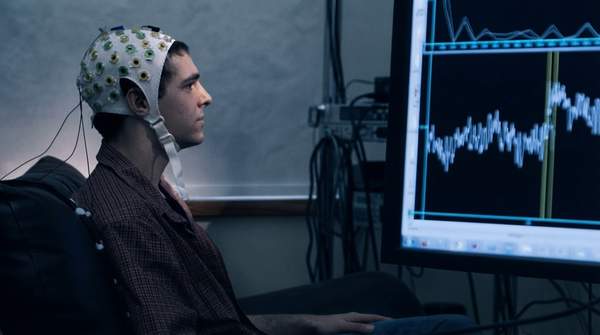
Brain-Computer Interfaces (BCIs) are rapidly evolving, moving beyond their initial medical applications into consumer products and cognitive enhancement technologies. These devices, which translate brain activity into commands or provide sensory input, offer transformative potential, from restoring communication for individuals with severe paralysis to augmenting human capabilities. However, as BCI technology becomes more widespread and sophisticated, particularly with advancements in machine-learning techniques for processing brain data, it introduces complex ethical challenges that demand careful consideration from policymakers, researchers, and the public.
Interventions in the human brain raise fundamental questions about the balance of benefits and risks, the preservation of human dignity, personhood, and autonomy, as well as concerns regarding privacy, security, and social justice. Addressing these multifaceted issues requires a structured approach, applying established ethical frameworks to guide responsible development and ensure equitable access to these powerful technologies. While many ethical issues identified in BCI research align with prior findings in bioethics, new nuances emerge with the increasing sophistication and diverse applications of these devices.