
Materials Science
8 articles
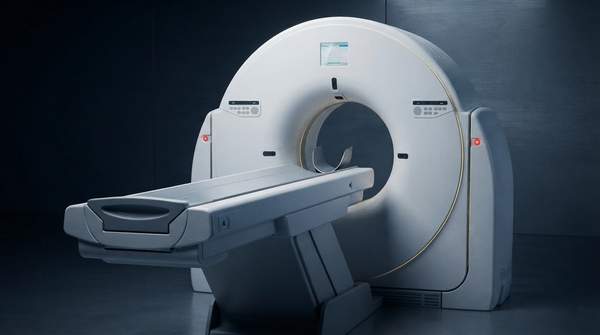
How X-ray CT Works, and Where It Fits in Materials Science versus Biological Research
X-ray computed tomography (CT) enables non-destructive 3D imaging by analyzing X-ray attenuation from multiple angles. This article details its core principles and contrasts its distinct applications, advantages, and limitations in materials science versus biological research.
Neutron Diffraction, Inelastic Scattering, or Reflectometry: Matching the Technique to Your Materials Question
Choosing the right neutron scattering technique—diffraction, inelastic scattering, or reflectometry—depends on whether you need to understand static structure, material dynamics, or thin film composition. Each method addresses a distinct scientific question, making the correct selection crucial for effective materials research.

What Are Next-Gen Biodegradable Polymers and Why Do They Matter?
Microorganisms, those unseen architects of decay, possess the power to dismantle biodegradable polymers, transforming them into fundamental elements like water, carbon dioxide, and even methane.

What Are Self-Healing Materials and How Do They Work?
A transparent coating developed by the Korea Research Institute of Chemical Technology can self-heal scratches in just 30 minutes using near-infrared light.

What is the science behind self-healing materials innovations?
Scientists have developed natural rubber and acrylic polymers capable of self-repair with over 90% efficiency, a remarkable step forward in the quest for lasting materials.

What Are Smart Materials and Why Do They Matter for the Future?
At North Carolina Central University (NCCU), researchers are running hundreds of simulations on supercomputers to predict how new piezoelectric materials will behave.

Scientists Achieve Bottom-Up Synthesis of Molecular Nanodiamonds
Researchers have achieved a breakthrough in creating nanodiamonds just 3 to 4 nanometers in size, not by breaking down larger diamonds, but by building them precisely from molecular nanographenes, acc

Plasma-Flow Control Overturns Fundamental Aeronautical Engineering Principles
In a vacuum chamber at the University of Zurich, a drone achieved stable, sustained flight with no wings or propellers.